



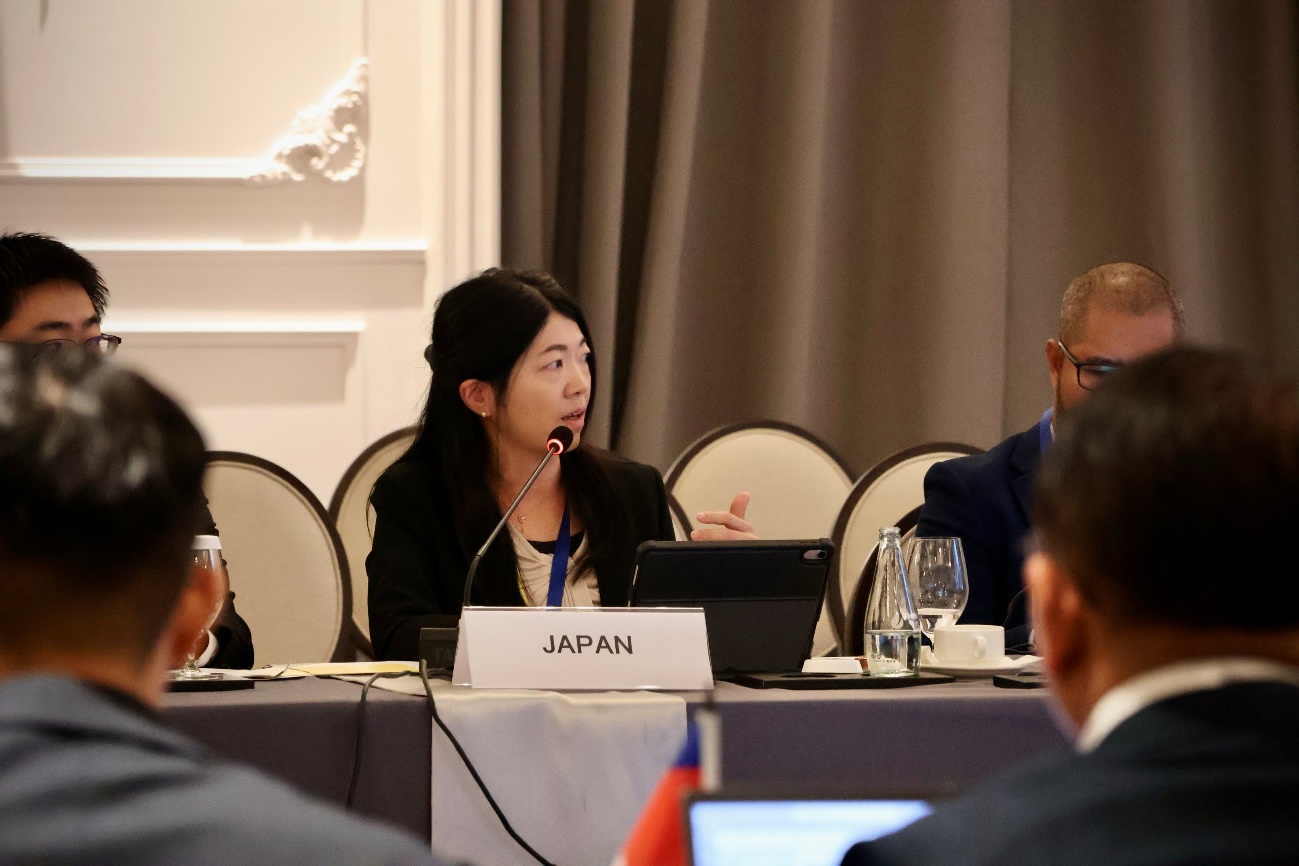
Self-introduction / Interest in gender
I first began working on the theme of gender, transport, and urban development when I joined the International Policy Division in the summer of 2024. At that time, I learned that the Ministry had not yet established a coordinated approach to integrating gender perspectives across its policies. This encouraged me to step into the field and contribute to shaping an area still in its early stages.
My career has included study in the United States and time at the OECD headquarters in Paris. I now work on international cooperation related to the overseas deployment of Japan’s infrastructure systems and participate in meetings on international cooperation hosted by the OECD (ITF), APEC, the United Nations, and ASEAN as part of the Japanese delegation.
Alongside my core responsibilities, I aim to bring international experiences back to Japan and support the flow of global knowledge into domestic policymaking.
Projects/efforts to date (Summer 2024 – Spring 2026)
(1) Engagement in Multilateral Forums
In the international transport field, I have advanced gender-related work across several dimensions. A central part of this has been sharing insights on “gender and transport” at multilateral forums and presenting it as a priority area within my department.
A few examples include:
- Presenting policy insights drawn from gender-disaggregated Person Trip Survey data, and shared Japan’s insights on the relationship between disaster risk reduction and gender at OECD/ITF meetings focusing on gender.
- Contributing to discussions on women’s participation in the transport workforce at APEC.
- Highlighting the importance of gender mainstreaming for sustainable transport and the SDGs at the United Nations (ESCAP).
- Delivering training on gender mainstreaming in the transport sector under the Japan–ASEAN cooperation framework.
Through these opportunities, I have gradually built relationships with colleagues in international organisations and partner governments. Follow-up exchanges—often through email or online meetings—have helped deepen those networks and support continued information-sharing on gender mainstreaming in transport.
(2) Bringing Global Insights into Domestic Discussion
To ensure that insights from international discussions inform domestic policymaking, I have worked to share relevant findings—such as those from the OECD (ITF)—within the Ministry.
As interest in gender mainstreaming grew in autumn 2024, I joined the “Roundtable of Young and Mid-Career Female Staff,” contributing to internal conversations on emerging issues and future directions.
This informal lunchtime setting created space for open dialogue. From these discussions, I helped prepare two key documents:
- Promoting Gender Mainstreaming in the MLIT Sector
- Compilation of Ideas and Opinions from the Roundtable
These documents gathered a wide range of perspectives—from everyday user-oriented suggestions such as improving lighting at bus stops and adjusting hand-strap heights on public transport, to recommendations on organisational development within the Ministry, including training and awareness initiatives.
The results were shared internally and presented directly to the Minister. The team involved later received the Minister’s Award, making the experience especially meaningful.
(3) Website Development
The roundtable findings underscored the importance of clearly communicating the value of gender mainstreaming and engaging a broader range of stakeholders. Because gender mainstreaming can feel abstract at first, the “Global Interviews” section of the website highlights the background, motivations, and processes behind selected international initiatives, making the topic more approachable for readers.
Through international meetings, I have had the chance to speak directly with practitioners who are deeply committed to public-interest work. These interactions have shaped my thinking, and through the website I hope to share some of those experiences with others.
Future outlook / message
Although my involvement in gender-related work is still relatively recent, I have been inspired by the people I have met through international cooperation—individuals who dedicate themselves to addressing public challenges and whose careers are enriched by that commitment. Many of those working on gender bring a remarkable sense of purpose to their roles, and meeting them has been motivating and encouraging.
I also observed that gender-related tasks are often carried out alongside core responsibilities, reflecting the cross-cutting nature of the issue. This is true for me as well: gender work complements my main role in international cooperation. While there were moments—particularly during busy periods—when balancing these tasks felt challenging, the work has provided meaningful learning and personal growth.
Because gender mainstreaming is still a relatively new area within the Ministry, I have seen many opportunities for younger colleagues to take initiative and find purpose in the work. This has reinforced my desire to continue contributing to the field.
Whatever directions my future assignments may take, I hope to approach my public responsibilities with an awareness of how gender perspectives can help build a more inclusive and sustainable society.