



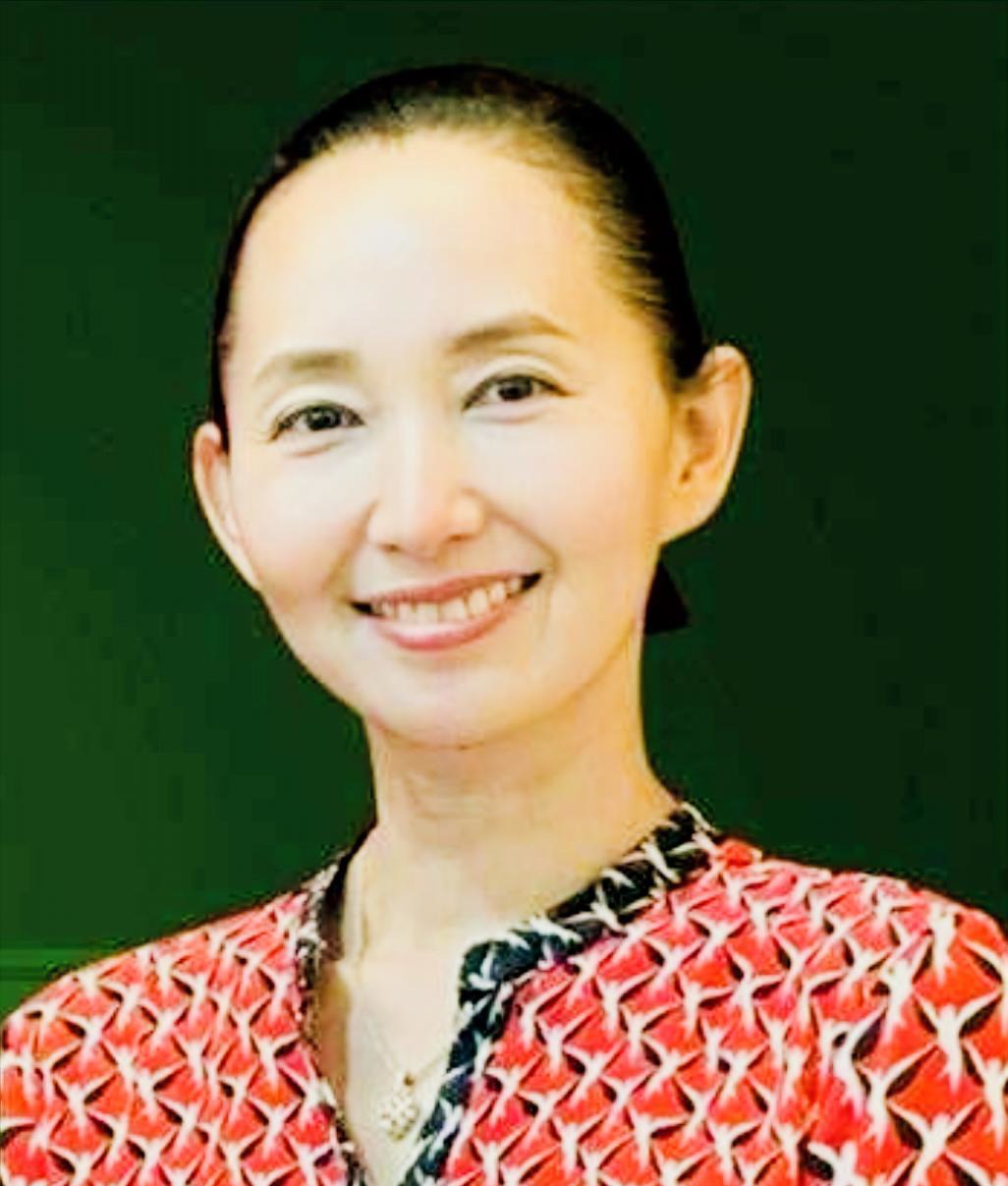
Background and My Interest in Gender
For more than 20 years, I have worked in the fields of human rights, humanitarian assistance, and international peace cooperation. My career has included positions with international organizations such as the United Nations and the International Red Cross, as well as the Permanent Mission of Japan to the International Organizations in Geneva and the Cabinet Office’s PKO Secretariat. Within international organizations, I worked on humanitarian assistance in conflict-affected areas such as South Sudan, Ethiopia, and Mindanao in the Philippines. I was also responsible for projects addressing human trafficking and forced labor in Central Asia, including Tajikistan. In addition, I served as a Subject Matter Expert on UN peacekeeping operations, providing pre-deployment training to military personnel from around the world who were being sent to UN peacekeeping missions, particularly on responding to conflict-related sexual violence and on child protection. Through these experiences in the field, I came to strongly recognize two key realities:
- Armed conflict disproportionately affects women.
- Women’s empowerment can become a powerful force in recovery and peacebuilding.
For example, in the Democratic Republic of the Congo, I met women who had survived sexual violence during conflict and had been abandoned by their families, leaving them socially isolated. Many had limited access to education and had married at a young age, relying heavily on their husbands. Despite being victims, they were often left marginalized within their communities. In Tajikistan, after the civil war that followed the country’s independence, many men left to seek work abroad. Women who remained behind became heads of households responsible for supporting their families, often facing severe poverty. Through microfinance initiatives and vocational training programs, I witnessed women regain confidence and rebuild their lives and livelihoods. Seeing this process firsthand led me to view gender and the Women, Peace and Security (WPS) agenda as a key element of humanitarian assistance and peacebuilding, which sparked my strong interest in these issues.
Projects I Have Worked On
I began working at Japan’s Ministry of Defense (JMOD) in 2019. At that time, there was no department within JMOD dedicated to Women, Peace and Security (WPS), and the term “WPS” itself was not widely recognized. Things began to change gradually around 2020, when Japan assumed the role of co-chair of the ADMM-Plus (ASEAN Defence Ministers’ Meeting Plus) Experts’ Working Group on Peacekeeping Operations. One of the key objectives of our activities was to promote WPS, which helped raise awareness and understanding of the concept among officials in JMOD and the Self-Defense Forces (JSDF). During the three years that I served as co-chair, I made full use of my experience and networks from the United Nations when designing the working group’s themes and programs. We invited experts who had worked on the front lines of conflict zones to share firsthand accounts of the realities on the ground and the roles women can play in peace processes. Participants from 18 countries, including Japan, were able to deepen their understanding of the situation faced by women in conflict and the importance of both protecting and involving women in peacekeeping operations. Providing this opportunity for shared learning was a deeply rewarding experience. JMOD began to promote WPS across the organization in a more comprehensive way in 2023. In August, the JMOD WPS Promotion Headquarters was established, led by the Parliamentary Vice-Minister of Defense and composed of senior officials including the Administrative Vice-Minister, the Chief of Staff of the Joint Staff, and the Chiefs of Staff of the Ground, Maritime, and Air SDF. In April 2024, JMOD formulated the JMOD WPS Promotion Plan, the first initiative of its kind among Japanese government ministries. This plan clearly emphasized institutional development, including the creation of Gender Advisor positions within JMOD and the JSDF. In addition, the WPS International Cooperation Office was established in April 2025 to strengthen international partnerships and cooperation. Through these initiatives, understanding and implementation of WPS within JMOD and the JSDF have steadily advanced.
Results and Evaluation
Within a relatively short period of about two and a half years since the initiative was launched, JMOD’s efforts to promote WPS have achieved remarkable progress. These include the establishment of the WPS Promotion Headquarters, the formulation of the Promotion Plan, the integration of gender perspectives into JSDF activities, and expanded cooperation with partner countries. Personally, I feel that JMOD has become one of the most proactive ministries in Japan in advancing WPS. In the Indo-Pacific region in particular, there has been growing interest in Japan’s rapid progress, and we are increasingly asked to share our knowledge and experience. One of the key reasons for this rapid progress has been strong leadership from the top of the organization. The senior leadership clearly recognized the importance of WPS in strengthening Japan’s defense capabilities and promoted a whole-of-organization approach. This senior leadership has also encouraged me personally. It strengthened my determination to ensure that WPS does not remain a temporary initiative but instead becomes firmly rooted as an essential foundation for the future of JMOD and the JSDF. At the same time, personnel rotations within JMOD and the JSDF occur frequently, and instilling awareness across an organization of approximately 250,000 personnel remains an ongoing challenge. For this reason, it is essential to continue building awareness through education and practical implementation. WPS should not be viewed as an additional task, but rather as an important perspective that enhances the quality and effectiveness of our operations.
Gender Perspectives in Disaster Response and Infrastructure
When disasters occur, people’s lives change in an instant. In order for affected individuals to maintain hope and live safely in evacuation settings, support must take into account differences in gender, age, and personal circumstances and such. Even before the WPS Promotion Plan was established, the JSDF had already been incorporating WPS principles in disaster relief operations. Female SDF personnel have been deployed to help engage with affected populations, including women and children, and to better understand their needs. In response to the 2024 Noto Peninsula Earthquake, a cumulative total of approximately 1.14 million JSDF personnel, including female SDF personnel, were deployed over a period of about eight months from the initial phase of the disaster. Their activities included air transport for emergency patients, including pregnant women; support for daily life provided by mixed-gender teams; listening carefully to sensitive needs of women and girls; and the transportation of essential supplies. Some female evacuees expressed their appreciation, saying that it was difficult to speak to male SDF personnel about matters such as sanitary products or underwear, and that having female SDF personnel present was a great help. This experience reaffirmed the important role played by female SDF personnel in disaster relief operations. Although it is not directly related to my current responsibilities, my experience working with displaced populations in conflict areas has made me strongly aware of the importance of incorporating gender perspectives into the design and management of evacuation shelters. For example, ensuring privacy and designing appropriate access to facilities such as toilets and washing areas directly affects the health and safety of evacuees, particularly women and children. In addition, when women participate from the early stages of shelter management and decision-making, diverse perspectives can be reflected, enabling a more accurate understanding of challenges on the ground and leading to more effective solutions. During disasters, people in various circumstances—including single mothers, children, older persons, and those facing economic hardship—are often disproportionately affected. Their voices are not always easily heard, and their needs can become difficult to identify. Therefore, mechanisms that intentionally listen to these voices and carefully understand the realities on the ground are essential. The issues that emerge during disasters often reflect underlying social structures that exist even in normal times. Strengthening gender awareness in everyday planning and incorporating perspectives from both women and men into disaster preparedness can serve as a crucial foundation for effective responses during emergencies.
Message
Having a gender perspective is not about supporting a particular group of people. Rather, it begins with recognizing the existence of people whose circumstances differ from our own and listening carefully to their voices. Through this process, we can help build a society that is safer and more secure for everyone. In our daily work and lives, our perspectives and activities can easily become limited. Even so, it is important to pause and reflect on what we consider “normal” and to remember to look toward people whose backgrounds or circumstances differ from our own. I believe that the awareness of each individual forms the very foundation of security. Developing an understanding of gender takes time. There are still many misunderstandings and preconceived notions surrounding the term “gender.” What is important is to proceed patiently and persistently, step by step. By increasing the number of people who share this understanding and by encouraging and learning from one another, organizations can build collective strength. At the same time, it is also important to approach others with patience and understanding, taking into account their perspectives and the environments in which they work and live. When I was working with displaced people in conflict zones through international organizations, I was deeply inspired by individuals who, even in the most extreme circumstances, continued to live with dignity and respect for others. Their resilience taught me many valuable lessons in life. People affected by disasters or conflict are not “weak.” On the contrary, they possess tremendous strength as they strive to survive under extremely difficult conditions. Through my experiences in the field, I also learned that excessive pity or one-sided sympathy does not necessarily constitute genuine support. What is needed instead is an attitude that respects each person’s dignity, listens carefully to their voices, and walks alongside them. Incorporating gender perspectives is not about giving special treatment to certain individuals. It is a fundamental approach to protecting the safety and dignity of everyone. I believe that our collective awareness and actions will help build a stronger and more inclusive security environment.